A sprinkler system should make caring for your lawn and landscape easier, not give you one more thing to worry about.
But when you start noticing dry spots, unusually high water bills, poor coverage, or a controller that never seems quite right, it can be difficult trying to figure out what’s causing the problem.
North Texas weather does not make things any easier. Your lawn and plants do not need the same amount of water throughout the year, and conditions can change quickly during periods of heat, rain, drought, or cooler weather.
The good news is that you do not need to become an irrigation expert to keep your system working properly.
Below, we answer some of the most common questions North Texas homeowners have about sprinkler systems, including watering schedules, repairs, sprinkler heads, smart controllers, and irrigation inspections.
Jump to a Section
- How Often Should I Run My Sprinkler System in North Texas?
- How Long Should Each Sprinkler Zone Run?
- What Type of Sprinkler Head Is Best for My Lawn?
- Why Do I Have Dry or Brown Spots Even Though I’m Watering?
- Why Did My Water Bill Suddenly Increase?
- Is a Smart Irrigation Controller Worth It?
- How Often Should I Have My Irrigation System Inspected?
- What Are the Signs That My Sprinkler System Needs Repair?
- Can I Replace a Sprinkler Head Myself?
- Do Sprinkler Systems Need to Be Winterized in North Texas?
- What Is Included in a Professional Irrigation Inspection?
- When Should I Call an Irrigation Professional?
- Keep Your North Texas Irrigation System Working Efficiently
1. How Often Should I Run My Sprinkler System in North Texas?
There is no single watering schedule that works for every North Texas property.
How often you need to water depends on several factors, including your grass type, soil conditions, sun exposure, recent rainfall, time of year, and the types of plants in your landscape. A lawn exposed to full summer sun often has very different needs than a shaded yard or a landscape bed filled with established shrubs.
One of the biggest irrigation mistakes homeowners make is setting a sprinkler schedule and leaving it unchanged for months at a time.
North Texas weather simply does not work that way.
The schedule that makes sense during a mild spring may be completely wrong after several weeks of summer heat—or after a stretch of rainy weather.
During cooler or wetter periods, your system may need to run less frequently. During periods of extreme heat and dry weather, adjustments may be necessary.
Local watering rules can also vary by municipality, so it is important to know what watering schedules or restrictions apply in your community.
The goal is not simply to water more. It is to give your lawn and landscape the water they need without creating unnecessary runoff, waste, or higher water bills.
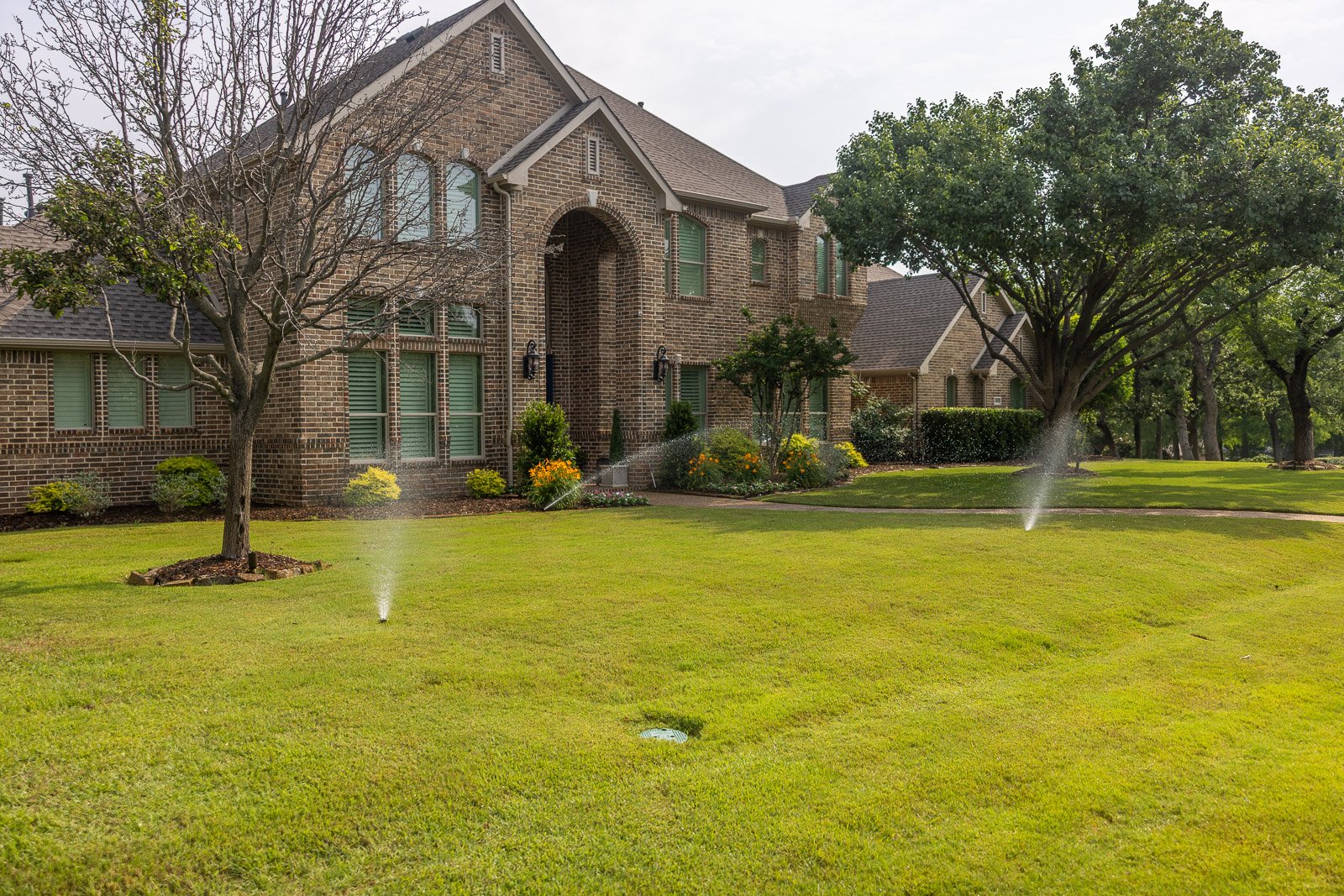
2. How Long Should Each Sprinkler Zone Run?
It can be tempting to give every sprinkler zone the same runtime, but that usually is not the best approach.
Sprinkler runtime depends on the type of heads in the zone, the amount of water they deliver, soil conditions, slope, and the plants being watered.
A large turf area with rotor-style sprinklers typically needs a different runtime than a small lawn area with spray heads. Landscape beds have different watering requirements altogether.
Soil also matters.
If water starts running down your driveway or collecting in low areas before the watering cycle is complete, simply running the system longer may create more waste instead of helping your landscape.
In some situations, shorter watering cycles separated by a period of soak time can allow water to move into the soil more effectively.
If you are not sure how long each zone should operate, an irrigation inspection can help determine whether your current settings match how much water each zone delivers.
3. What Type of Sprinkler Head Is Best for My Lawn?
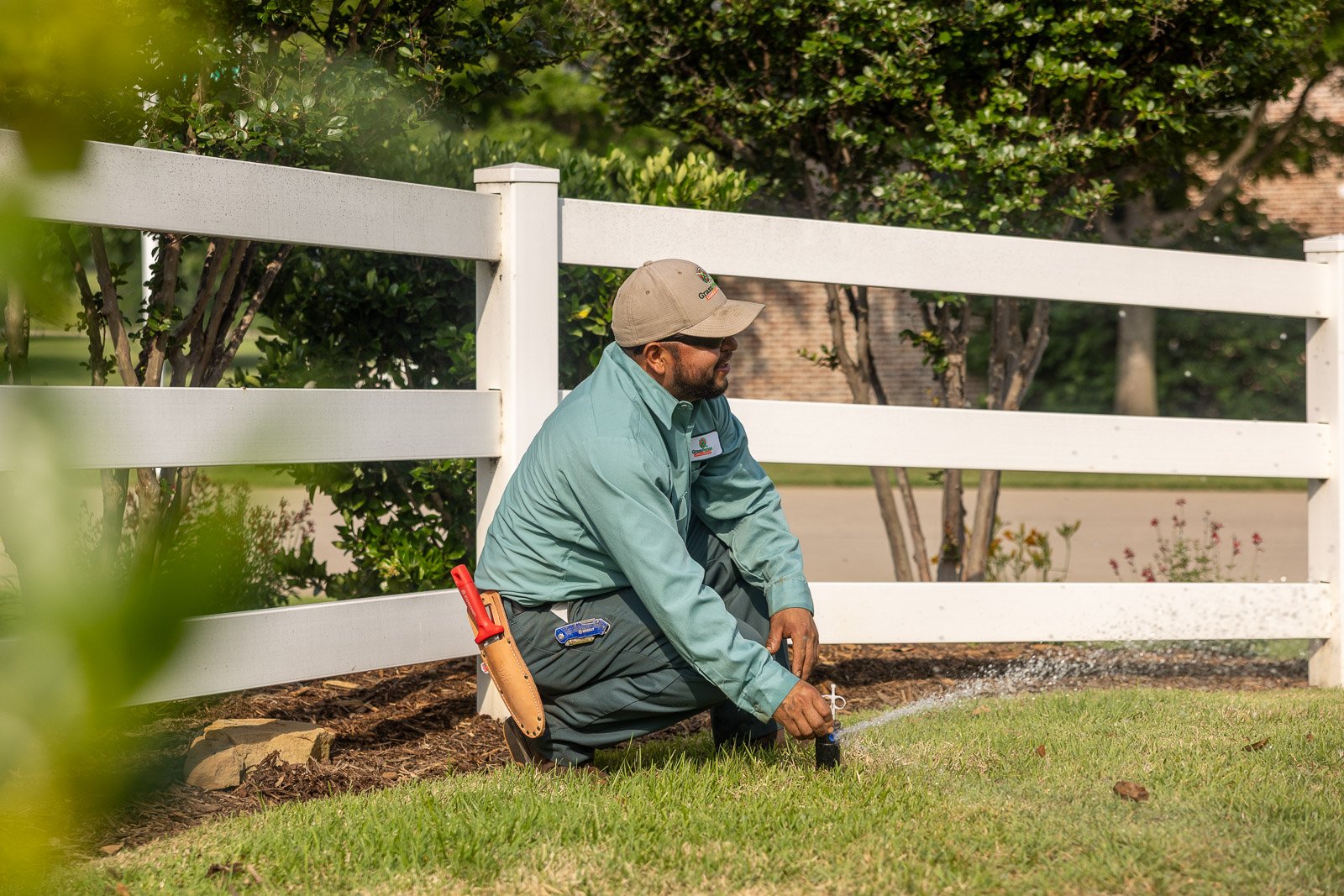
The best sprinkler head depends on the area you are trying to water.
Different parts of your property may need different irrigation methods. Spray heads are commonly used in smaller turf areas, while rotor-style sprinklers can be useful for covering larger lawn areas. Drip irrigation may make sense for certain landscape beds and targeted plantings.
But choosing the right sprinkler head involves more than simply picking a type.
A properly designed system also considers:
- Water pressure
- Spacing between sprinkler heads
- Spray patterns
- Sun and shade
- Slope
- Plant material
- Lawn shape and size
- Nearby sidewalks, driveways, and structures
Installing the wrong head—or putting the right head in the wrong place—can create dry areas, runoff, or sprinklers that spend more time watering the pavement than your lawn.
The best system is one in which the sprinkler heads work together to provide consistent coverage throughout each zone.
4. Why Do I Have Dry or Brown Spots Even Though I’m Watering?
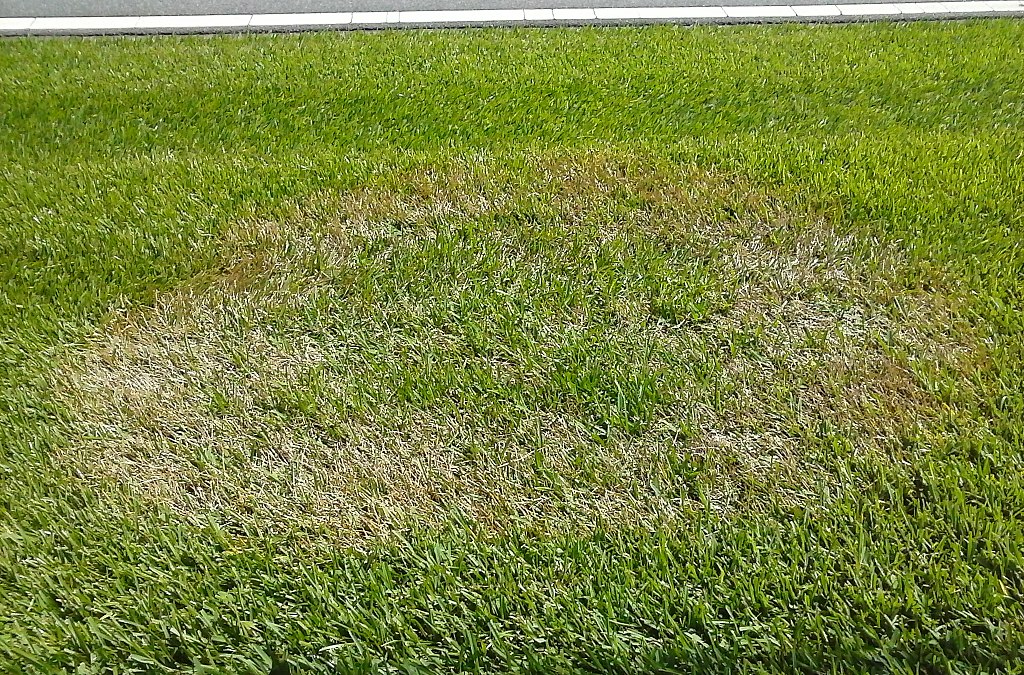
Few things are more aggravating than watering your lawn regularly and still seeing the same brown or thinning spot.
But a dry area does not always mean your lawn needs more water.
If one part of your lawn consistently dries out while the surrounding grass looks healthy, the real problem may be uneven irrigation coverage.
Possible causes include:
- A clogged sprinkler nozzle
- A broken sprinkler head
- A sprinkler that has become tilted or sunken
- Incorrect spray direction
- Poor head-to-head coverage
- Low water pressure
- A valve or zone that is not operating properly
- Plants or grass blocking the spray pattern
It is also important to remember that irrigation is only one possible cause of brown or thinning grass. Lawn disease, insects, compacted soil, shade, and other conditions can sometimes create similar symptoms.
Before you simply crank up the watering schedule, figure out what’s causing the problem.
Otherwise, you could end up watering more, paying more, and still staring at the same brown patch.
5. Why Did My Water Bill Suddenly Increase?
If your water bill suddenly jumps even though nothing has changed inside your home, start by checking your irrigation system.
Sometimes the problem is obvious, such as a broken sprinkler head sending water into the street. Other issues can be much harder to notice.
Potential causes include:
- Leaking irrigation lines
- Broken or damaged sprinkler heads
- Valves that are not closing correctly
- Incorrect controller programming
- Sprinkler zones running longer than necessary
- Watering more frequently than intended
- Sprinklers watering sidewalks or driveways
- A system running during or immediately after rainfall
Even relatively small problems can add up when they happen over and over again.
If your water bill has increased and your household water use has not changed significantly, your irrigation system is worth investigating.
An irrigation audit can identify sources of water waste and determine whether the system needs adjustment or repair.

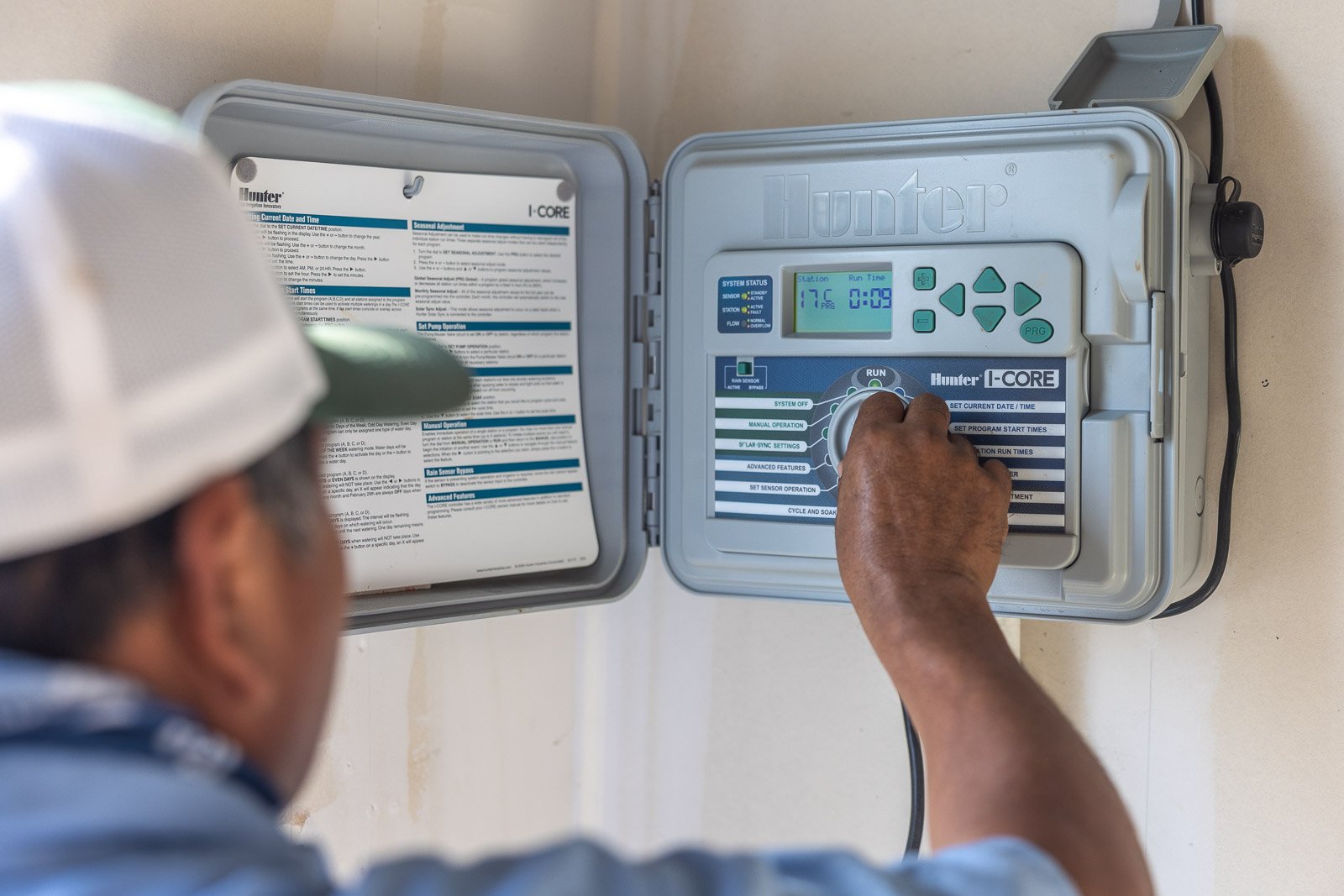
6. Is a Smart Irrigation Controller Worth It?
A smart irrigation controller can be a worthwhile upgrade if you want to spend less time adjusting your watering schedule throughout the year.
Unlike a traditional controller that follows the same programmed schedule until you change it, a smart controller can adjust watering based on weather conditions and other settings.
That does not mean every homeowner needs one. If your current controller works well and you are comfortable making seasonal adjustments, there may be no reason to replace it.
Just remember that a smart controller cannot correct physical problems with your irrigation system. Broken sprinkler heads, leaks, poor coverage, and pressure problems still need to be repaired separately.
7. How Often Should I Have My Irrigation System Inspected?
It is a good idea to have your irrigation system checked periodically, especially before the heavier watering demands of a North Texas summer.
Sprinkler systems change over time. Heads can shift or become damaged, plants can block spray patterns, nozzles can clog, and small leaks may develop without being obvious.
You should also consider an inspection if you notice dry spots, runoff, uneven coverage, or an unexplained increase in your water bill.
A professional irrigation inspection can help catch these problems early and make sure your system is watering your property as efficiently as possible.
8. What Are the Signs That My Sprinkler System Needs Repair?
Some sprinkler problems make themselves obvious. Others can waste water for weeks before you notice anything is wrong.
Signs your sprinkler system needs attention include:
- Sprinkler heads that do not rise or retract correctly
- Water bubbling or pooling around a sprinkler
- Zones that do not turn on
- Zones that continue running when they should be off
- Sprinklers spraying sidewalks, streets, or buildings
- Dry areas between sprinkler heads
- Excessive misting instead of an even spray
- Unusually low water pressure
- Water running down the driveway
- A sudden increase in your water bill
Do not ignore a small irrigation problem just because your lawn still looks acceptable.
A damaged sprinkler head or leaking component may continue wasting water long before the effects become obvious in your landscape.
Taking care of smaller issues early can often prevent larger—and potentially more expensive—problems later.

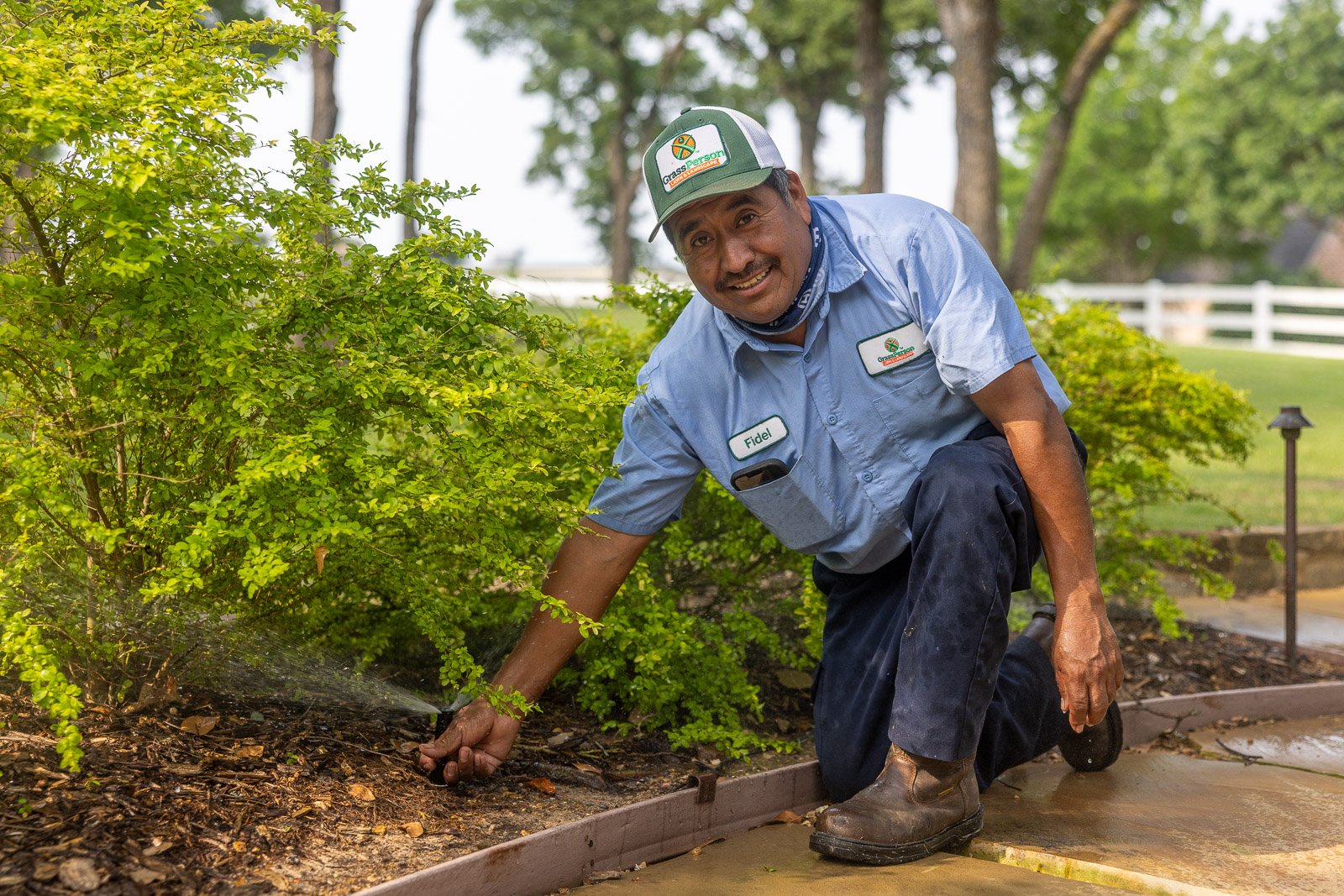
9. Can I Replace a Sprinkler Head Myself?
For homeowners who enjoy DIY projects, replacing a damaged sprinkler head or nozzle may be manageable.
If the repair is straightforward and you understand how your system is set up, there is nothing wrong with handling a simple replacement yourself.
The challenge is that replacing the visible part of a sprinkler does not always solve the reason the problem happened in the first place.
For example, installing a different type of head can change how much water that area receives. Incorrect height or alignment can affect coverage. A problem that keeps coming back may point to pressure issues, underground damage, or another system problem.
If you are repeatedly replacing heads, struggling with uneven coverage, or unsure whether the replacement matches the rest of the zone, having the system evaluated professionally can save you time and unnecessary trial and error.
10. Do Sprinkler Systems Need to Be Winterized in North Texas?
North Texas does not experience the same long stretches of freezing weather as many northern parts of the country, but cold snaps can still create problems for exposed irrigation components.
How much freeze protection your system needs depends on its design and which components are exposed.
Before a significant freeze, it is helpful to know where vulnerable irrigation components are located and whether they need additional protection.
Learn more about how to winterize your sprinkler system in North Texas before freezing weather arrives.
After severe winter weather, keep an eye out for problems once the system is operating again.
Leaks, cracked components, poor pressure, or zones that are not working correctly may be signs that the system needs repair.
11. What Is Included in a Professional Irrigation Inspection?
A professional irrigation inspection looks at the entire system, not just the sprinkler head or zone that appears to be causing trouble.
Depending on the property and system, an irrigation professional may check:
- Sprinkler head operation
- Spray patterns and coverage
- Broken or damaged components
- Controller programming
- Zone operation
- Visible leaks
- Water pressure concerns
- Runoff or overspray
- Opportunities to improve efficiency
The inspection can help determine whether you are dealing with a simple adjustment, a needed repair, or a larger coverage or efficiency problem.
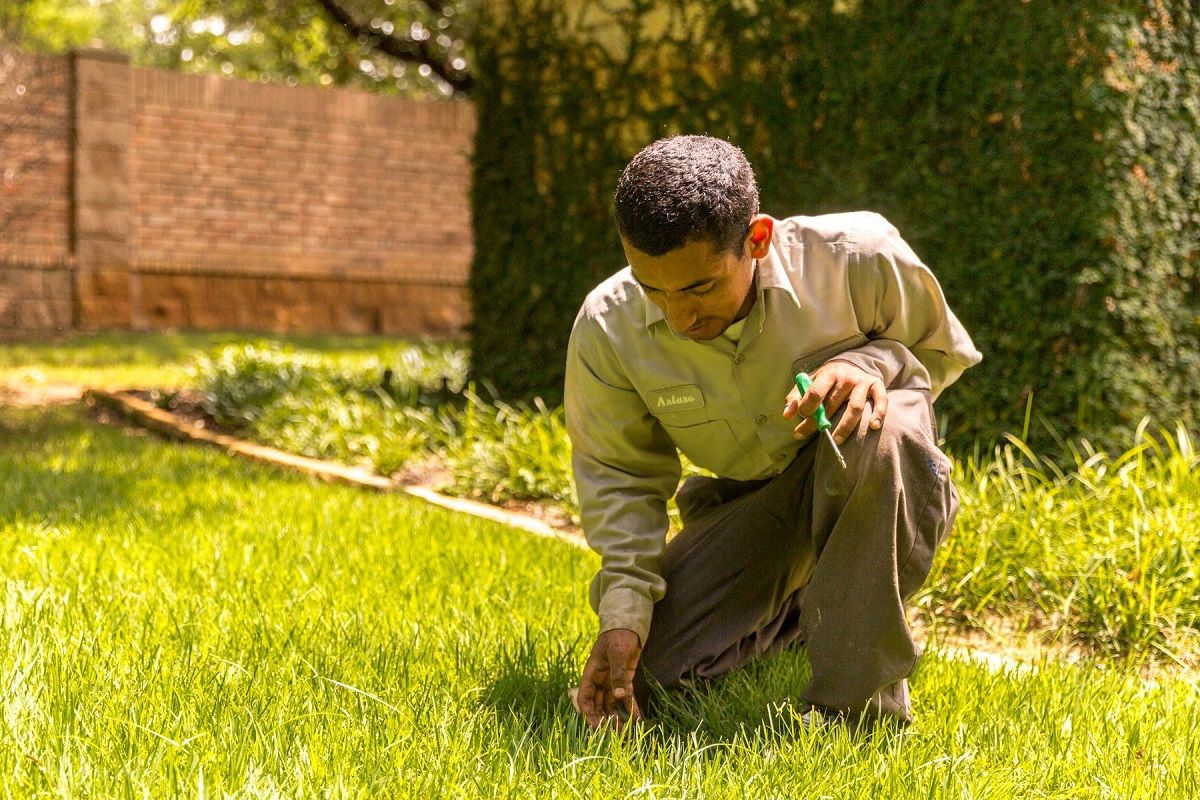
12. When Should I Call an Irrigation Professional?
You should consider calling an irrigation professional when the problem is difficult to diagnose, keeps coming back, affects multiple zones, or is causing noticeable water waste.
Professional help can also make sense when you simply do not want to spend your weekend troubleshooting sprinklers.
Many homeowners are perfectly comfortable making simple controller adjustments or handling a minor repair. But problems involving valves, underground lines, system pressure, electrical components, or widespread coverage issues can become time-consuming quickly.
The important thing is to solve the right problem.
Running your sprinklers longer will not fix a broken head. Replacing a controller will not repair an underground leak. And watering more frequently will not solve a brown lawn if irrigation isn’t the cause.
A thorough evaluation can help separate the symptoms from the underlying problem so you know what really needs attention.

Keep Your North Texas Irrigation System Working Efficiently
A properly functioning irrigation system helps protect your lawn and landscape without wasting water or requiring constant adjustments.
If you are dealing with high water bills, dry spots, broken sprinkler heads, inconsistent coverage, or a controller that never seems quite right, the answer is not always to water more.
Often, the first step is simply figuring out how well your current system is actually working.
Grassperson provides irrigation inspections, maintenance, and repair for homeowners throughout Denton and Collin Counties, including communities such as Flower Mound, Argyle, Frisco, Plano, McKinney, and surrounding North Texas areas.
Whether you are dealing with one stubborn dry spot or you are not sure your entire system is watering efficiently, our goal is to help you identify the problem, understand your options, and make the repairs or adjustments that actually make sense for your property.
If you would rather spend your time enjoying your lawn than troubleshooting sprinklers, contact Grassperson to request irrigation service or an irrigation system evaluation.