One of the toughest challenges that we face here in North Texas is the climate. The intense heat and periods of drought can really work against our efforts to create the lush and beautiful lawn that you desire. Since these conditions often lead to water restrictions in many areas, you might be faced with trying to keep your lawn alive with minimal watering.
The key is to water smarter…and we’ll explain how.
In this article, we’ll dive into what you ought to know about North Texas water restrictions lawn care. It can be challenging to keep a lawn alive during drought but there are definitely steps you can take toward success.
Jump to:
Understanding North Texas Water Restrictions
Due to frequent periods of drought, many cities and districts implement watering restrictions when conditions are at their worst. This might involve limiting watering to specific days of the week or restricting watering during certain hours. Specifics can vary by municipality, but the overall goal is the same…to conserve water.
For homeowners that love a lush green lawn that they want to show off, watering restrictions can obviously pose challenges. The key is to practice water wise lawn care in North Texas. That’s something that Grassperson has always believed in, whether restrictions are in place or not.
The truth is, lawns can survive temporary drought conditions (and are even built to naturally do so, often going into a state of dormancy if needed) particularly if proper care is provided. We know you’re worried about how to save grass in heat, so we’ll cover some important steps you should take, next.

Lawn Care During Water Restrictions
How you care for your lawn during periods of drought and water restrictions will be critical. That includes following best practices like mowing properly and fertilizing with extreme care.
Let’s look at how you should adapt these practices.
Proper Mowing is Critical
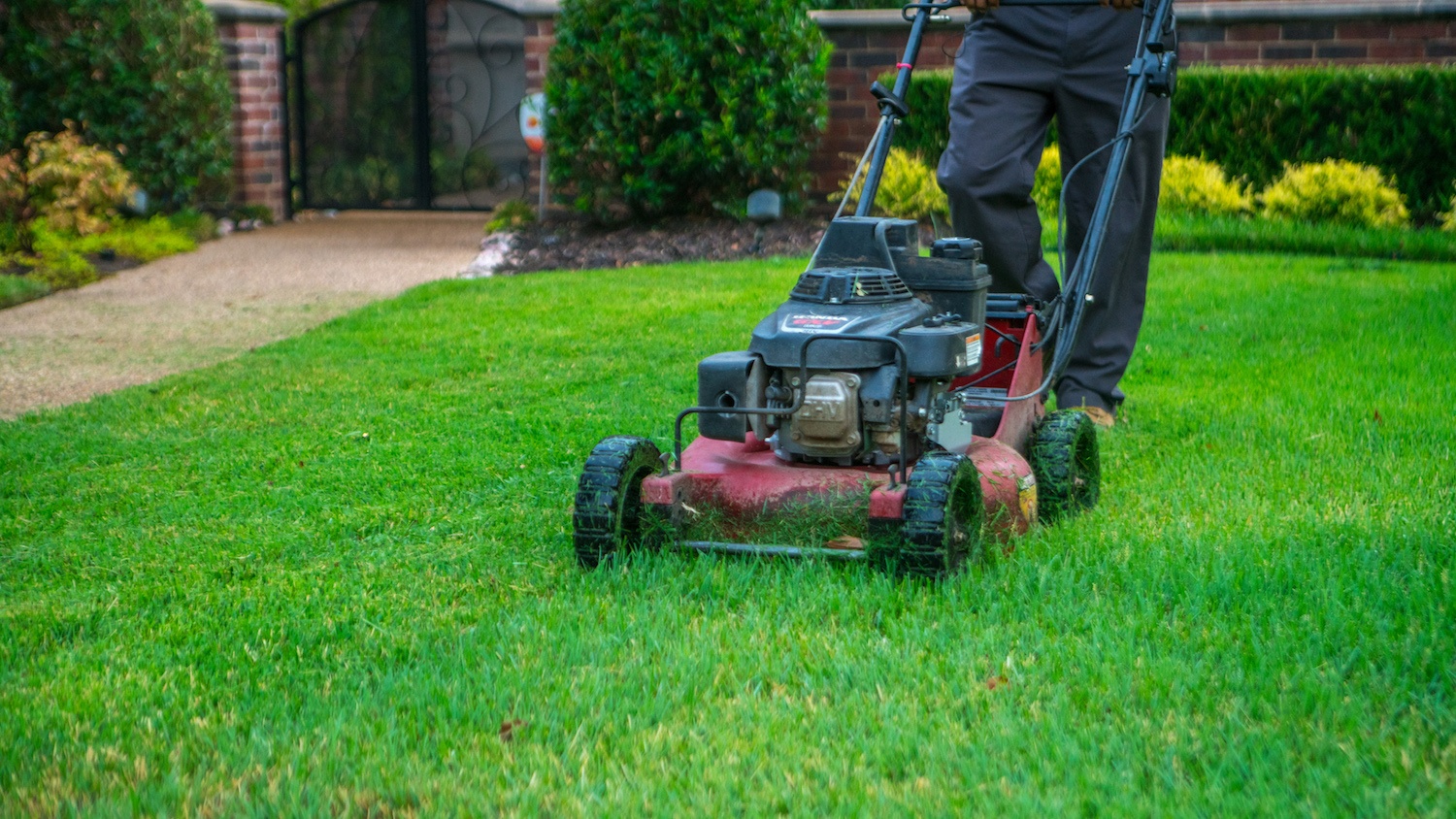
Mowing properly is always important as scalping the lawn can leave it prone to a lot more stress and damage. But this becomes particularly critical during periods of heat and drought when your lawn is already under a lot of stress.
Grass grows more slowly during periods of drought or water restrictions, so mowing frequency can often be reduced. Keep your mower at the higher end of the recommended height for your grass type to shade the soil, reduce moisture loss, and encourage deeper root growth.
Avoid removing more than one-third of the grass blade in a single mowing to minimize stress on the lawn.
Also, always be sure to mow the lawn with sharp blades so that you are cleanly slicing the grass blades as opposed to ripping them (which can happen with a dull blade).
Adjust Fertilization Practices
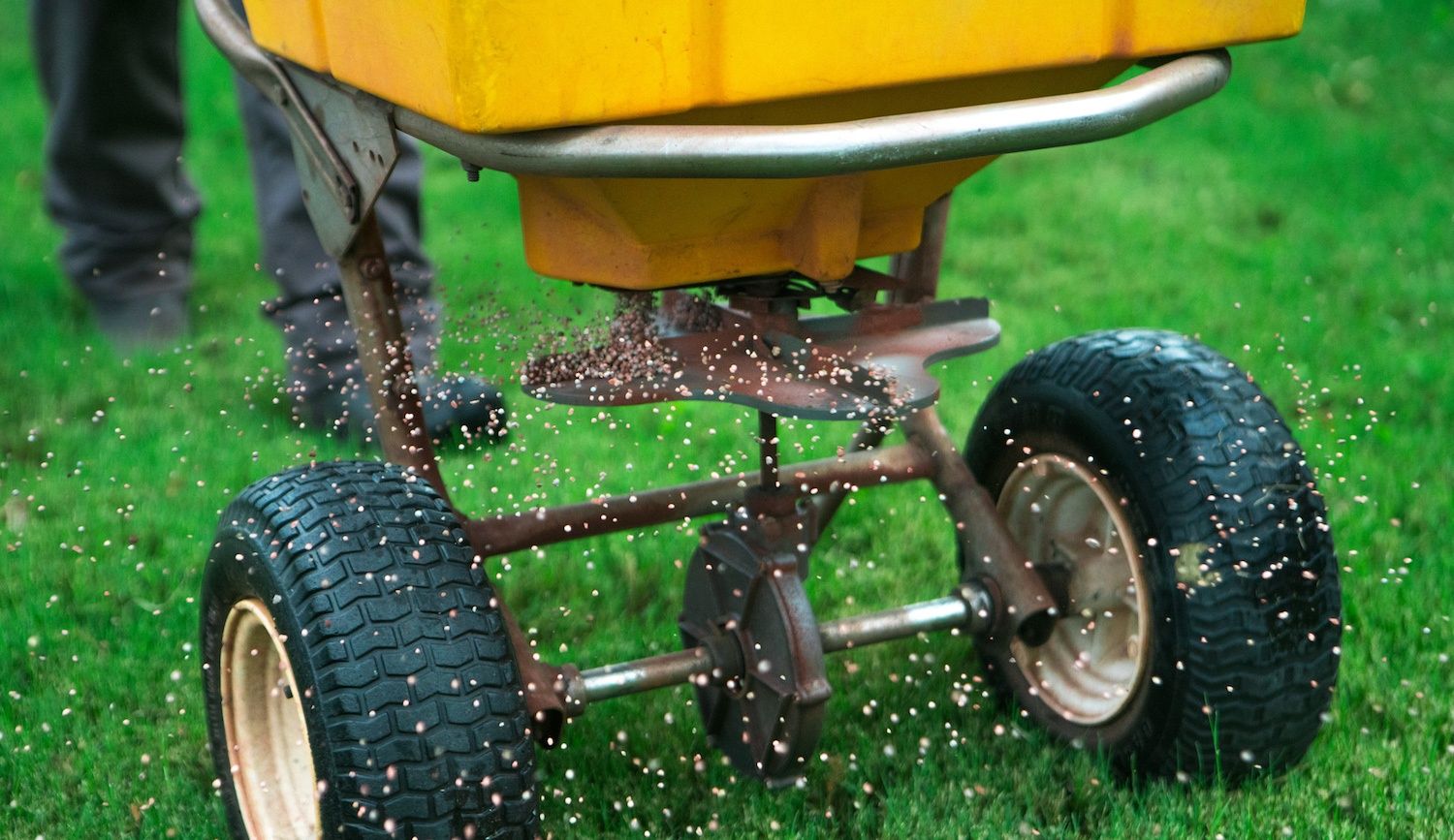
Heavy applications of fertilizer during severe drought can increase stress by encouraging growth when water is limited. In many cases, it's better to delay fertilization or adjust the treatment plan until growing conditions improve.
Fertilizer burn is more likely to occur during periods of heat or drought, particularly if applied improperly. Signs of fertilizer burn include crispy or scorched blades or yellowing of the grass.
Lawn Dormancy: A Natural Mode of Protection
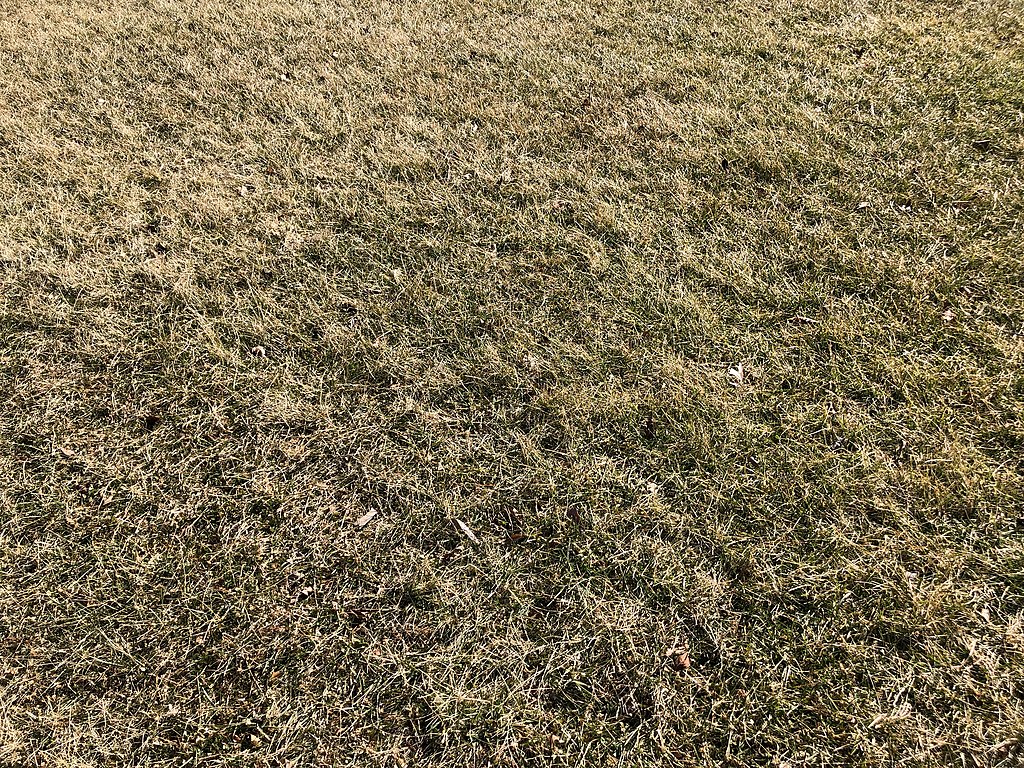
Many warm season grasses common in North Texas, such as Bermuda, Zoysia, and St. Augustine, may temporarily lose color or go dormant during extended periods of heat and limited water. Dormancy is a natural survival mechanism and doesn't necessarily mean the grass is dead. With proper care and improved watering conditions, most healthy lawns recover.
Even so, many homeowners will ask: Is my lawn dormant or dead?
Keep in mind that dormancy usually occurs in a uniform way. Is the entire lawn a brownish color or is it happening in patches? If it’s the latter, it could actually be a problem with a disease or pest. But if the entire lawn is brown AND we’re in a drought, it’s most likely just in a state of dormancy.
Practicing Water Wise Lawn Care in Texas
Of course, the most important information that you want to know is how to properly water during periods of water restrictions and drought.
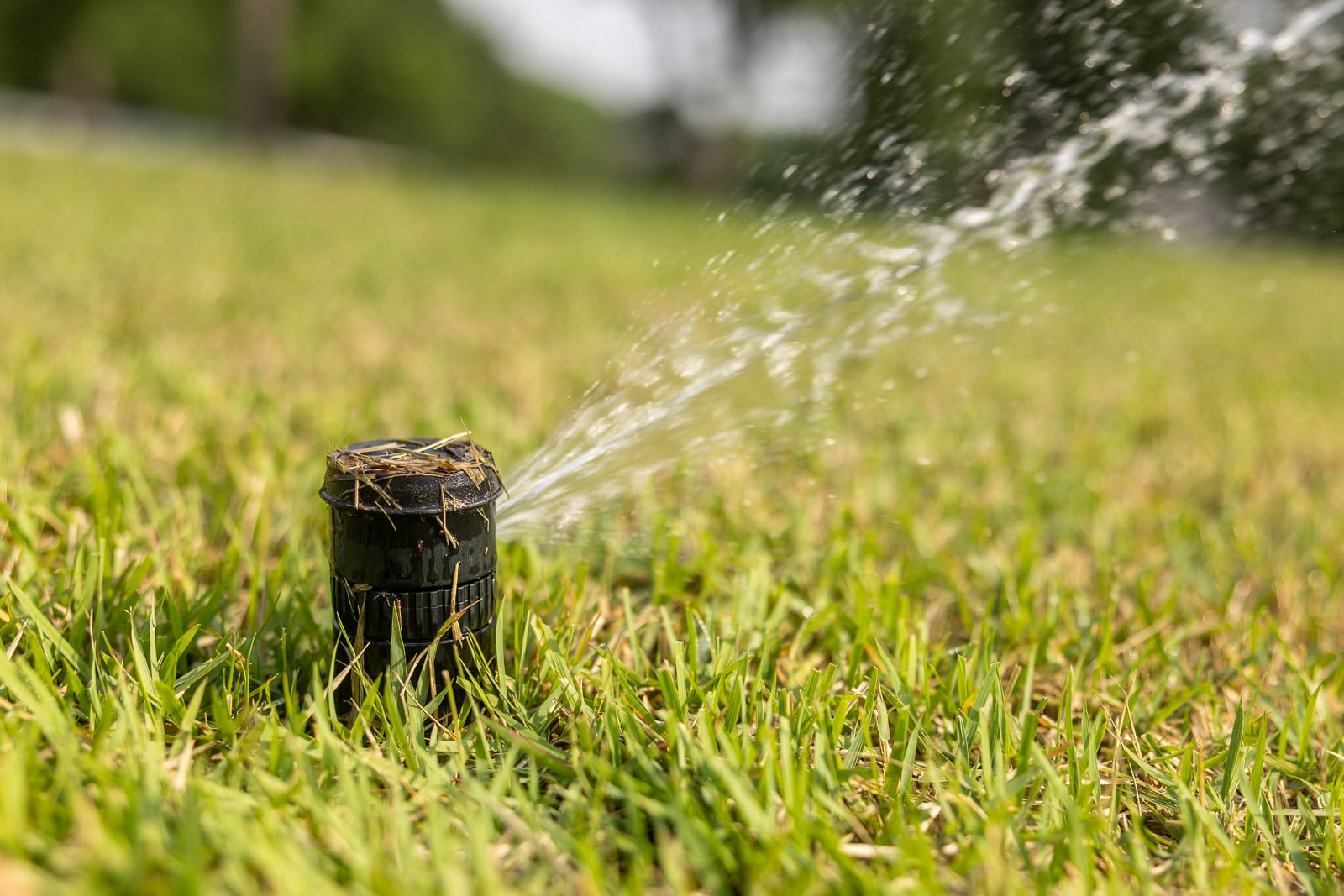
At Grassperson, our goal is to help homeowners keep their lawns healthy while using water as efficiently as possible. We begin by inspecting your irrigation system for leaks, broken sprinkler heads, clogged nozzles, poor coverage, and programming issues that can waste significant amounts of water. We then optimize your watering schedule to comply with local restrictions while delivering the right amount of water where it's needed most.
We also recommend water-saving upgrades, such as Smart Irrigation Controllers, rain sensors, and high-efficiency sprinkler nozzles, that help reduce water usage without sacrificing lawn health. By making every drop count, we help protect both your landscape investment and your water bill.
The key to maintaining a healthy lawn during water restrictions is to water smarter, not necessarily more.
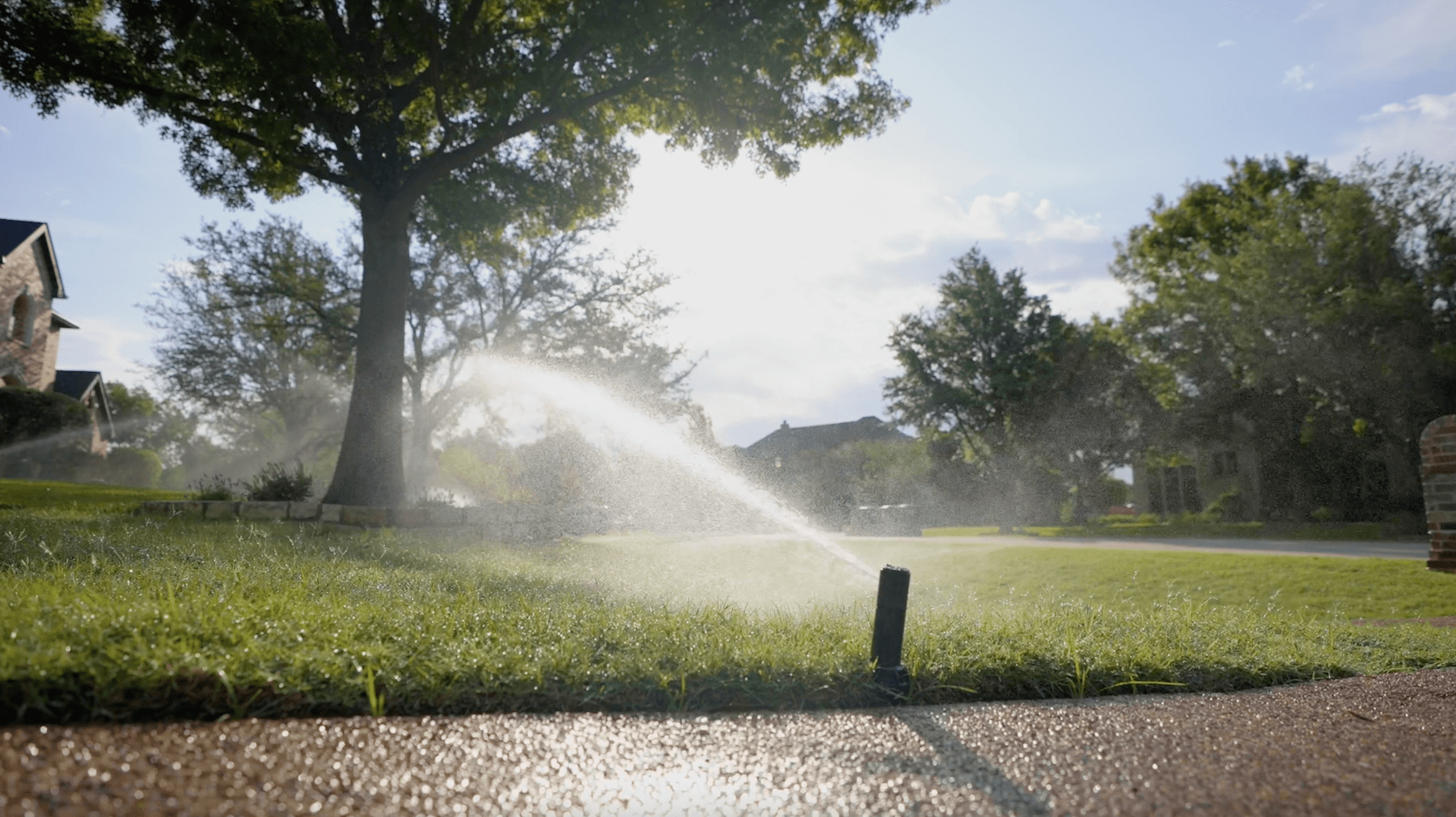
Water deeply but less frequently to encourage deeper root growth and always irrigate during the early morning hours to minimize evaporation. Keep your mower set higher to help shade the soil and retain moisture and avoid watering immediately after rainfall if we receive any.
Make sure your irrigation system is operating efficiently as a well-maintained irrigation system can make a significant difference in helping your lawn survive hot, dry conditions.
A Smart Irrigation Controller is one of the best investments homeowners can make during periods of drought or water restrictions. Unlike traditional timers, smart controllers automatically adjust watering schedules based on local weather conditions, rainfall, temperature, and seasonal changes, preventing unnecessary watering and improving overall irrigation efficiency. It’s truly one of the best ways to practice water wise lawn care in Texas.
FAQs
How can I keep my lawn alive during drought?
The most important thing that you can do is to water efficiently, not necessarily more. Water deeply but less frequently to encourage deeper root growth and always irrigate during the early morning hours to minimize evaporation. Also make sure that you are practicing good mowing habits. Avoid cutting the lawn too short as this will put a lot of added stress on your already-stressed grass.
What mistakes do homeowners sometimes make during periods of drought?
Homeowners often try to fight a drought instead of helping their lawn adapt to it. Common mistakes include overwatering, mowing too short, applying too much fertilizer, neglecting irrigation repairs, and watering during the heat of the day. During water restrictions, the goal should be to maximize water efficiency and reduce stress on the lawn so it can survive and recover when conditions improve.
Do lawns commonly end up entering dormancy during these periods to survive?
During extended periods of drought or water restrictions, it's common for warm-season grasses such as Bermuda, Zoysia, and even St. Augustine to enter a state of dormancy to conserve energy and moisture. As the lawn slows its growth, it may turn brown or tan, but that doesn't necessarily mean it's dead. Dormancy is a natural defense mechanism that allows healthy turf to survive until rainfall returns or watering restrictions are lifted. While some supplemental watering is usually recommended to protect the crown and root system during prolonged drought, most established North Texas lawns will recover once growing conditions improve.


Your Checklist on How to Keep Lawn Alive During Drought
Hopefully this article has covered everything that you need to know about how to care for your lawn during periods of watering restrictions. We know that it can be stressful. Here’s a quick checklist that summarizes all of the key points. These are the key steps you need to take to be successful.
- Water deeply but less frequently
- Water between 4:00 AM and 8:00 AM
- Raise your mowing height
- Mow less often during drought
- Check your sprinkler system for leaks and broken heads
- Upgrade to a Smart Irrigation Controller
- Don't panic if your lawn temporarily goes dormant
Choosing a Lawn Care Partner to Help
Caring for a lawn in North Texas can be complicated. And when you throw water restrictions in the mix, it can be downright stressful trying to keep your property looking its best.
Fortunately, you don’t have to figure it all out on your own.
The key is to partner with a lawn care provider who can help. If you’re looking for lawn care services in Flower Mound, Highland Village, and Lewisville, TX, we’re eager to assist.
At Grassperson, we’re here to help however you need us.
We understand that water restrictions and drought conditions can be challenging to navigate. But we can help guide you toward the best choices for your lawn. We’ll help you put your worries to rest and get your lawn back on track to being the best on the block.
Ready to get a worry-free lawn at your Flower Mound, Highland Village, or Lewisville, TX home? Get a free quote and get ready to enjoy the best lawn on the block with no hassles on your end.