Our mild winters provide a longer growing season for weeds and make winter lawn weeds a serious problem here in North Texas. Unlike other parts of the country, we really never get a break from weedy worries.
Winter lawn weeds are a problem as they can steal resources from your desired grass, they can spread quickly, and they are often harder to control as time goes on. If you don’t get a handle on winter weeds, your lawn could look like a mess once spring rolls around.
That’s why it’s so important to get winter lawn weeds under control early.
The first step to controlling winter weeds in Texas is to identify what you’re dealing with. In this article, we’re talking about how to identify lawn weeds in Texas and what you can do to control them. Making smart choices will help you have the best lawn on the block.
Jump to:
Common winter lawn weeds in North Texas
Understanding how to identify lawn weeds in Texas is important to make the best choices for your lawn.
Here are some of the winter lawn weeds we deal with in North Texas. These descriptions should help you with how to identify lawn weeds in Texas.
Henbit
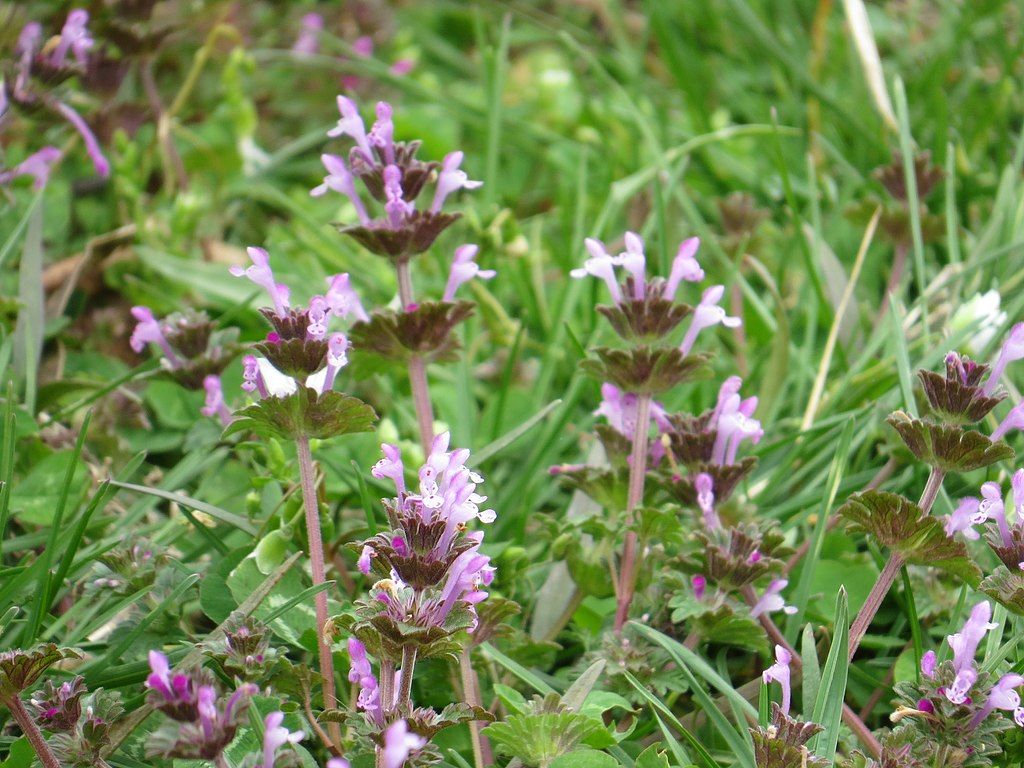
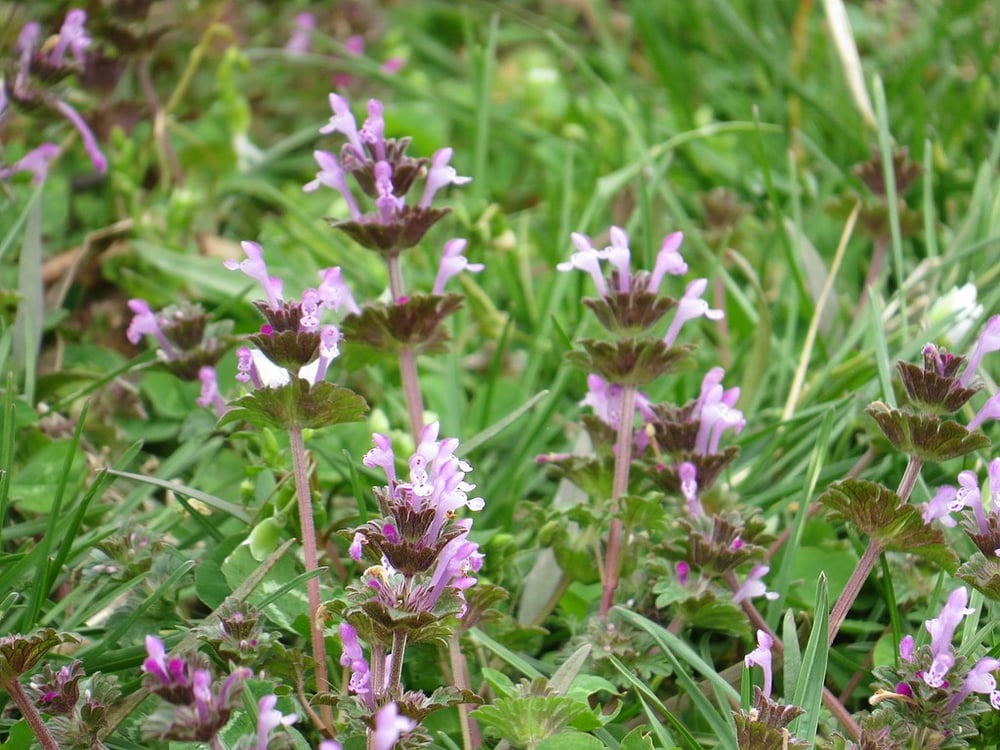
This cool-season annual broadleaf weed crops up in early fall and grows through winter into spring. It has square, slender stems that branch out from the base, and its leaves are circular and hairy. Henbit has shallow roots, and it spreads aggressively during the off-season in North Texas, which is why year-round lawn care is critical for maintaining healthy turf. In spring, henbit blooms pink/purples flowers.
Chickweed
This winter annual weed grows best in shaded areas and is commonly identifiable by its small white flowers. Its small, fleshy leaves also have an egg-like shape and are bright green in color. This weed is low-growing and mat-forming and tends to thrive in compacted soil.
Poa Annua
Poa Annua (aka Bluegrass), is one of the more difficult weeds to get rid of in North Texas. Poa annua is a cool-season annual weed that is bright green and will stand out like a sore thumb from the rest of your lawn. It tends to grow taller and brighter than everything else.
One of the identifying features of Poa annua is that it has smooth leaves with a pointed "boat shaped" tip. This weed grows in clumps or “bunches” and you will not find Poa annua growing as individual blades.
Rescue Grass
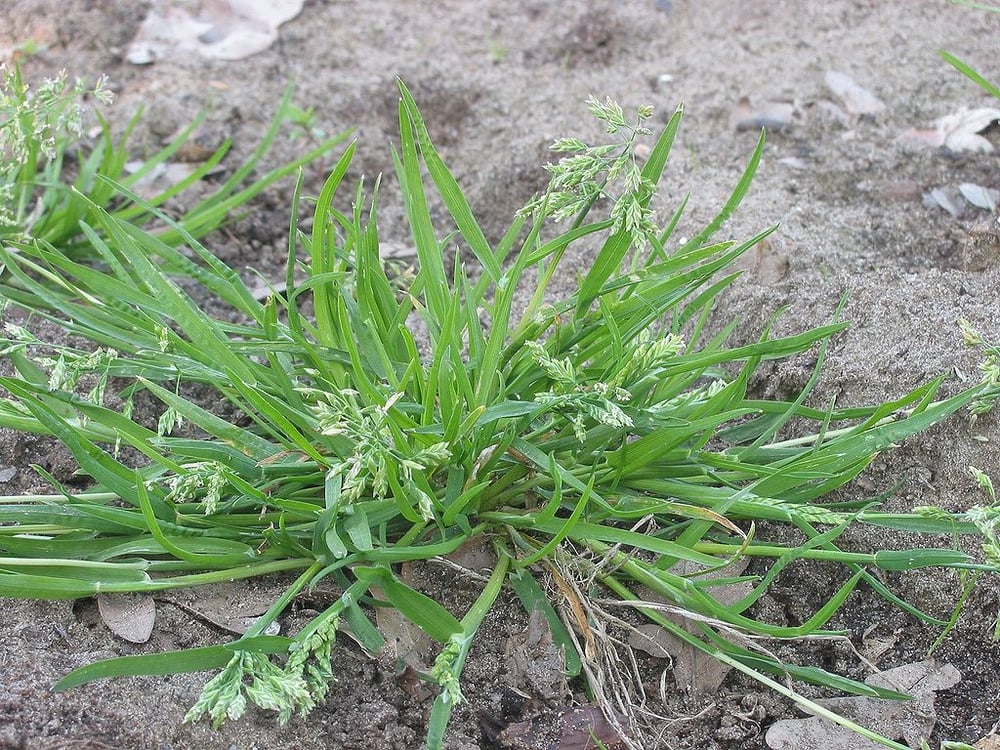
This winter annual grass grows in bunches or clumps and is characterized by soft, floppy blades (as opposed to stiff ones). But its seed head is often the biggest giveaway to what you’re dealing with. Rescue Grass has a droopy seed head and looks airy, not tight or spiky. It is sometimes mistaken for Poa Annua, though that does tend to grow shorter.
Bull Thistle
This is a prickly and invasive weed that is characterized by its spiny, low-growing rosette. Bull Thistle overwinters as a green rosette of leaves that can keep growing throughout a mild winter. It usually spends its first winter in this low-growing stage before flowering in its second year.
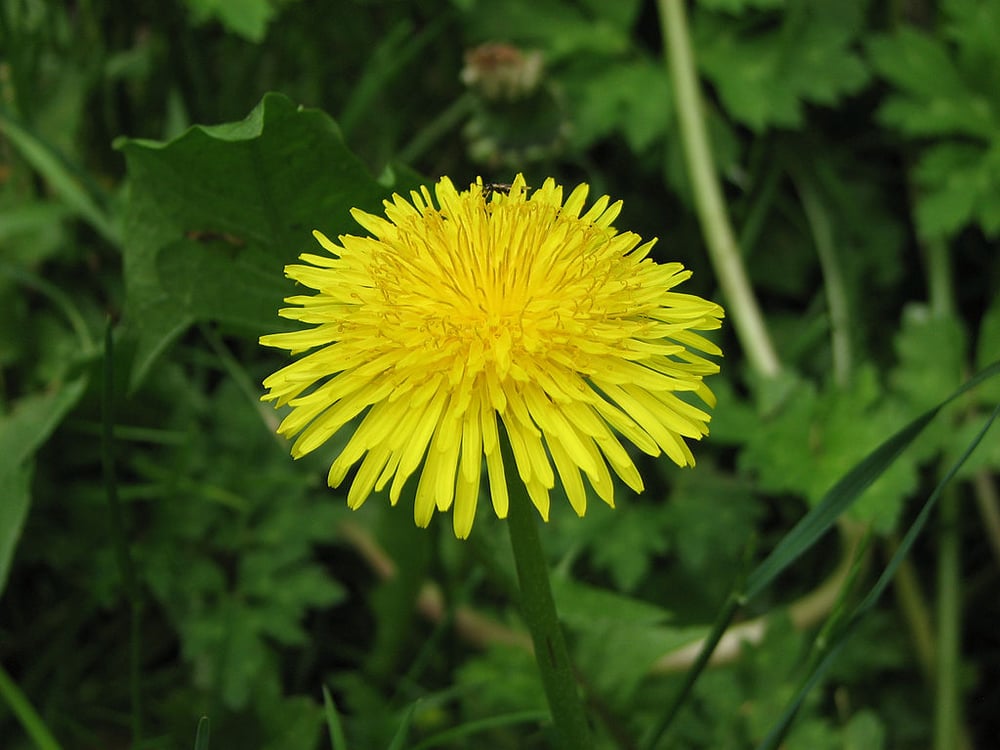
Dandelion
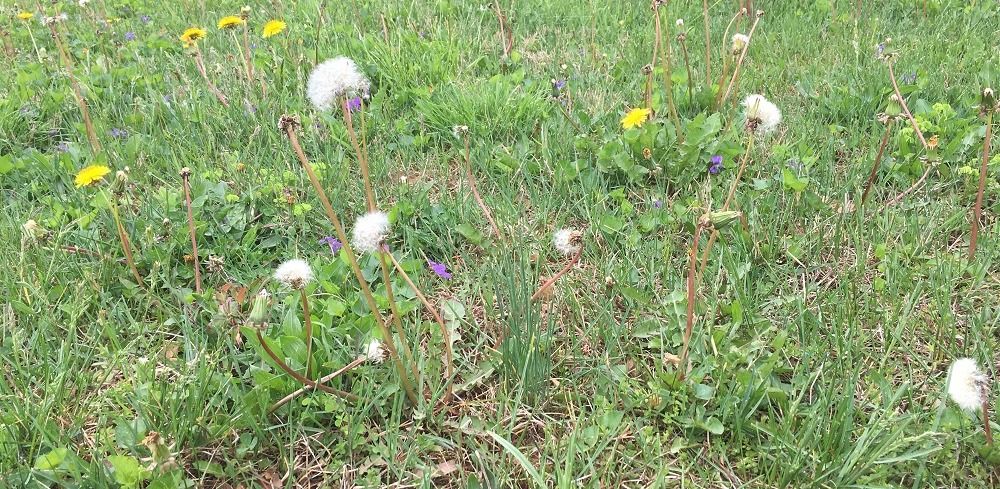
Known for its yellow flower, the dandelion has a deep, thick taproot that can grow 6 to 12 inches deep and a long, single stalk. Though primarily known as a spring lawn weed, because of our mild climate, it’s not uncommon for dandelions to germinate in the fall and stay alive through the winter. This is one of the weeds that it might feel like you deal with year-round here in North Texas.
Texas Wintergrass
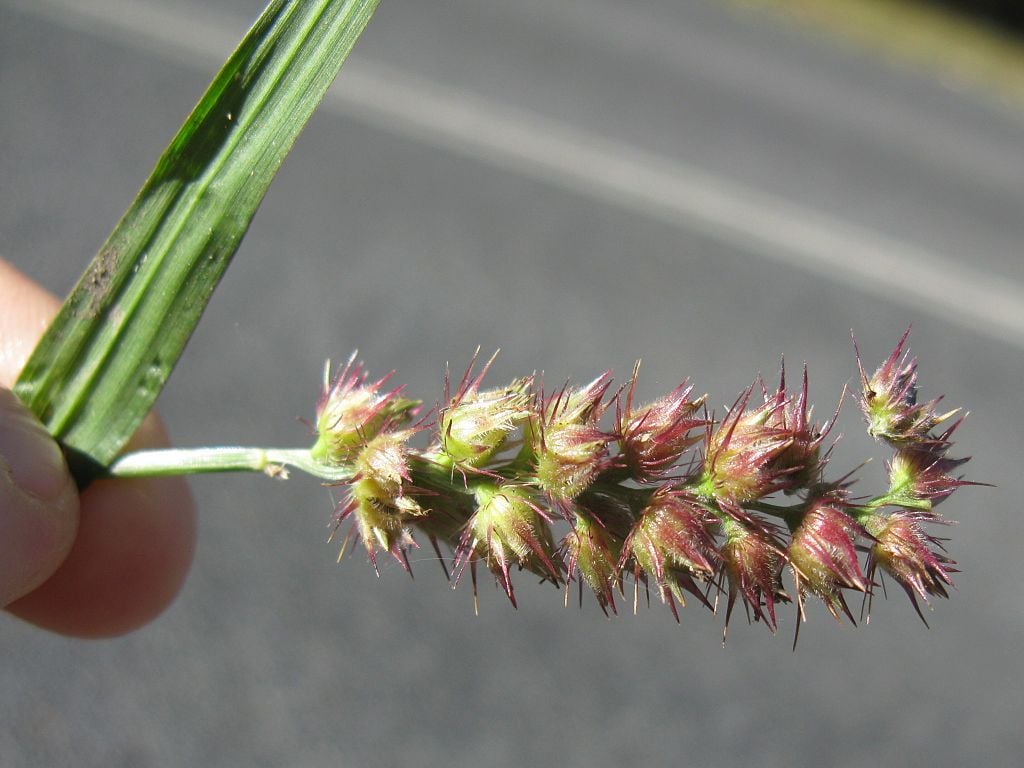
This native cool-season perennial grass has sharp, barbed seed heads. It can grow in thick clumps and be difficult to control once it shows up in a residential lawn. It is distinctly dark green, which is usually why it stands out from other grass types.
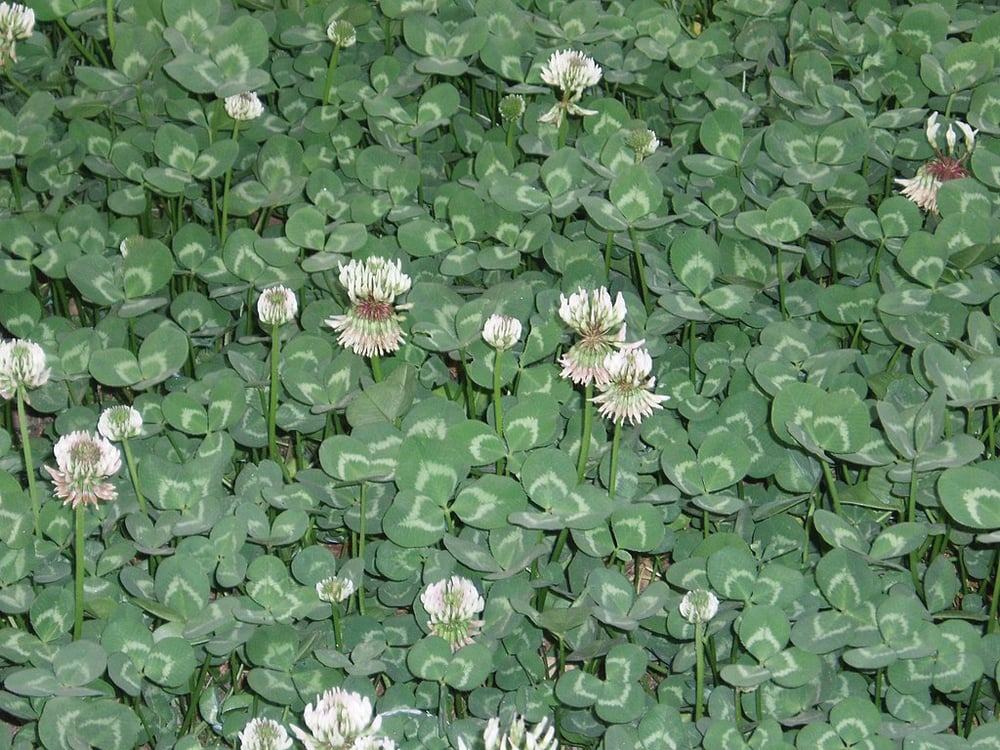
Clover
Clover is a perennial weed that grows low to the ground in a creeping manner. That means it develops roots anywhere that a stem node touches the ground. This white-flowering weed tends to fill in sparse areas where healthy turf isn’t already thriving. One of the most annoying side effects of having clover in your yard is that it attracts bees, making it risky to walk barefoot without getting stung.
Lawn weed prevention tips
Taking steps to prevent weeds in the first place is always going to be helpful.
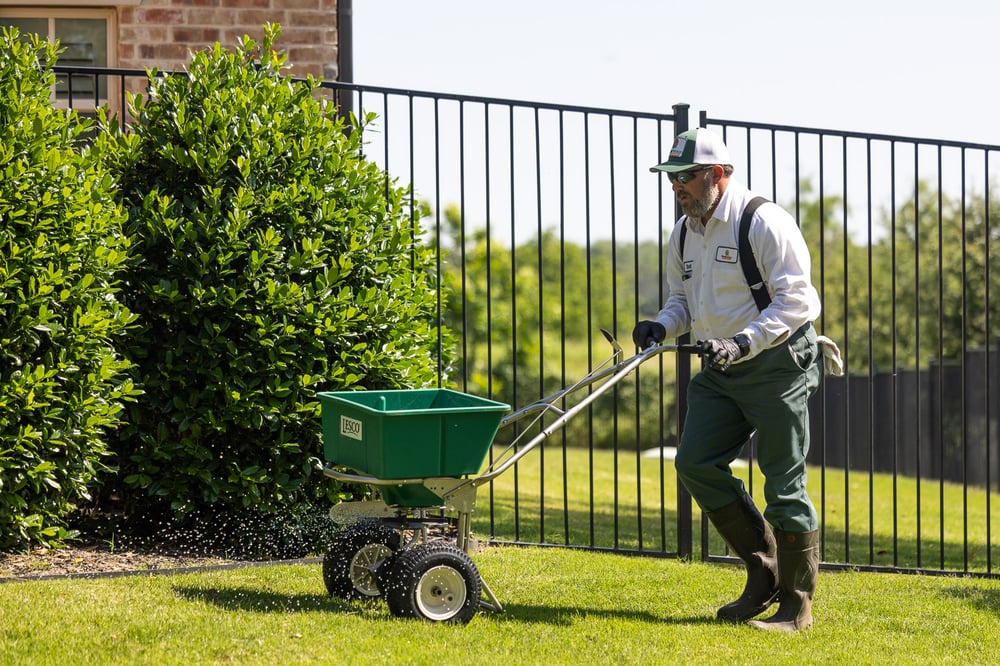
One of the best ways to prevent weeds from growing is with the use of pre-emergents. We use pre-emergent applications in the fall to prevent many winter lawn weeds from germinating.
But there are also cultural practices you can utilize to reduce weed growth. Taking steps to grow a thick and healthy lawn in the fall will play a vital role in naturally choking out winter lawn weeds.
Here are a few things we recommend.
- Aeration: In North Texas, lawns can be aerated in the spring or the fall. But lawn aeration performed in the fall can be particularly valuable as this is also a great time to topdress the lawn with compost which will amend the soil and help it get through the upcoming dormancy period in the winter. In fact, many homeowners who aerate in the fall tell us that their lawn looks better than ever come spring. This practice also helps grass to grow thick and healthy, which will make it more difficult for winter weeds to grow.
- Fertilization: Fertilization is one of the best maintenance tasks that you can do for your lawn. This is because fertilizer provides essential nutrients that will help your lawn thrive. The reality is that our soil is not optimal for growing grass here in North Texas. But when you provide proper nutrition through fertilization, you’ll see thicker, healthier grass and reduce weed growth.
- Proper mowing: Mowing the lawn too short can stress and weaken your turf, making it more susceptible to weed growth. It’s important that your lawn is mowed at the proper height for the grass type that you have growing.
- Proper watering: Watering also plays a critical role in growing thick and healthy grass.
FAQs on winter lawn weeds
Before we wrap up the article, we wanted to take a moment to answer some of the most commonly asked questions about winter lawn weeds. At the end of the day, understanding what you’re dealing with is an important step toward having the best lawn on the block.
What are winter lawn weeds?
Winter lawn weeds are those that germinate in the fall, grow through the winter, and mature in the spring. There are many weeds that are considered both winter weeds and spring weeds because they germinate in the fall or winter, survive through the colder months, and mature in the spring.
In general, here in North Texas, weeds are a year-round problem.
What are the common winter lawn weeds in North Texas?
Some of the most common winter lawn weeds in our region include Henbit, Chickweed, Poa Annua, Purple Deadnettle, and Clover.
What is the best way to prevent winter lawn weeds?
Pre-emergent controls, which create a barrier to stop germination, are one of the best ways to prevent winter lawn weeds. But it’s also helpful to follow good lawn weeds prevention tips like mowing and watering properly, fertilizing regularly, and aerating your lawn.
Anything that you do to grow a thick and healthy lawn will help to naturally choke out weeds.
Why do winter weeds come back every year?
Winter lawn weeds will drop seeds in the spring which sit in the soil until they germinate next fall. You can easily get stuck in an endless cycle of weeds if you aren’t staying on top of it.
Can I just ignore winter lawn weeds?
Ignoring winter lawn weeds can cause you more hassles and headaches in the long run. That’s because these weeds will continue to spread seeds and cause future trouble. They’ll also wreak havoc on your lawn right now, putting it in rough shape for the upcoming spring, when you’d probably like to start enjoying more time outside. It’s always best to be proactive and aggressive with controlling winter weeds in Texas.
Choosing lawn care services in North Texas
Winter isn't a time-off for lawn care or lawn weeds in Texas. It’s important to care for your lawn year-round because weeds are always growing in this region.
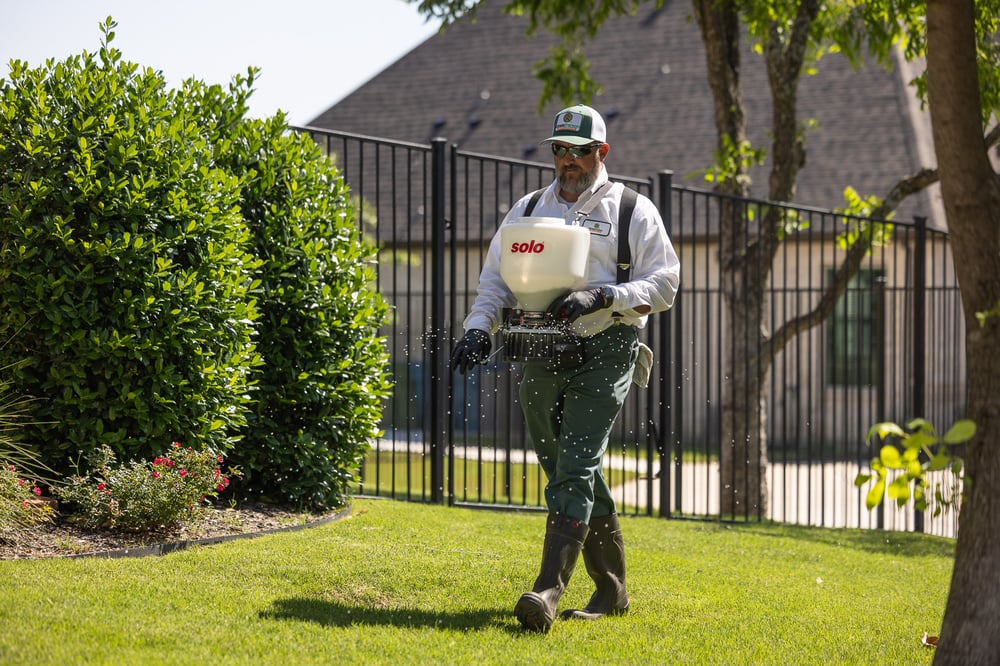
If you are reading this and you are not treating your winter lawn weeds, don’t worry. You can get on track to keep your lawn in good shape with a winter or spring pre-emergent application and a tailored lawn care program that keeps weeds away, reduces the likelihood of disease, builds stronger turf and results in a more resilient, beautiful lawn.
The key is to make a wise choice in lawn care services in North Texas.
At Grassperson, we believe a partnership will help you to have the best possible results. If you are a homeowner who wants to have the best lawn on the block, we want to help you get there.
We can work with you to come up with the right program for your property. We can create customized solutions that are best for your needs.
That means you’ll gain some peace of mind and be able to spend more time enjoying your lawn instead of stressing about it. We know that weeds are a year-round frustration here in North Texas, but we’re ready to help you fight back.
Soon, you’ll have the best lawn on the block and be proud to show it off!
Ready to get a worry-free lawn at your Flower Mound, Frisco or Argyle, TX home? Get a free quote and get ready to enjoy the best lawn on the block with no hassles on your end.


Image Source: henbit